

Rick Hanson, PhD looks at ways to see things clearly when you aren’t treated well, to do what you can and then let it go. — It’s easy to treat people well when they treat you well. The real test is...

Rick Hanson, PhD looks at ways to see things clearly when you aren’t treated well, to do what you can and then let it go. — It’s easy to treat people well when they treat you well. The real test is...

Dr. Robert Emmons’s research on gratitude began with a fairly simple experiment, asking one group of students to write down three “benefits” a day for 10 weeks – i.e, enjoying a haircut or a car...

I’m doing a lot of personal work on overcoming some really dysfunctional situations with my family of origin. I’m 71 years old, (which is hard for me to even believe, feel like I’m 30) and am...
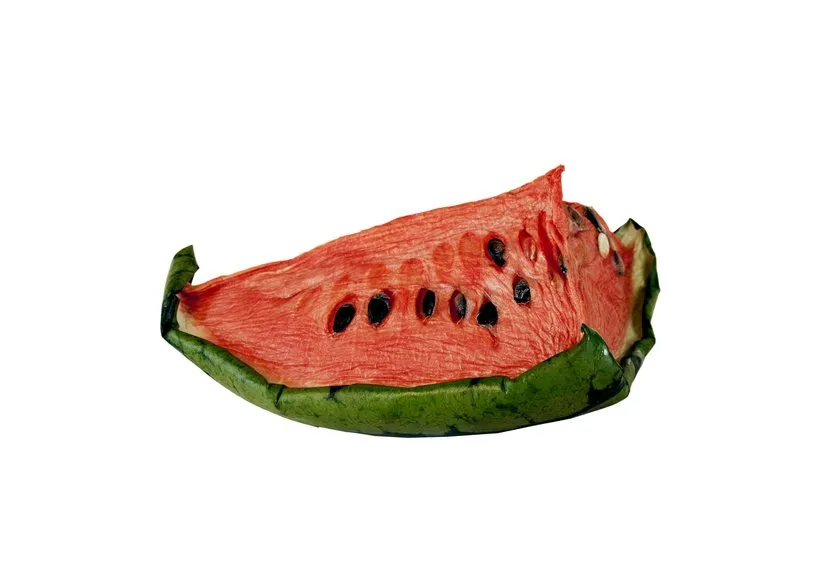
Neuropsychologist and writer, Marsha Lucas, PhD compares emotional leftovers to leftovers in your fridge. Not only are the old and messy but tend to reinforce negative states like FEELING UNLOVABLE or even your SELF...

I attended the Psychotherapy Networker Symposium in Washington DC recently and left with some highly useful tools to benefit your emotional health from the workshop, Neuroscience and the Art of Self Care, conducted by...

You all know this phrase. It makes me want to scream whenever I hear it, these days at least: They did the best they could. I just asked my spouse what he thought of the term, what it really means, and he said, “That...

Post 9/9 in a series by Linda Graham, MFT, a deep dive on the neuroscience of stress and resilience. As we learned in The Neuroscience of Resilience: Intuition, ”Intuition is a deep and profound knowing often below the...

Post 7/9 in a series by Linda Graham, MFT, a deep dive on the neuroscience of stress and resilience. As we learned in The Neuroscience of Resilience: Insight and Awareness, “To cope with the mysterious and...

Post 7/9 in a series by Linda Graham, MFT, a deep dive on the neuroscience of stress and resilience. As we learned in The Neuroscience of Resilience: Response Flexibility, “In order to cope with change, we...

Post 6/9 in a series by Linda Graham, MFT, a deep dive on the neuroscience of stress and resilience. As we learned in The Neuroscience of Resilience: Empathy, “neuropsychologists see empathy as...
 Rick Hanson, PhD
 Linda Graham, MFT
 Lisa Brookes Kift, MFT
 Marsha Lucas, PhD
 Amy Eden